
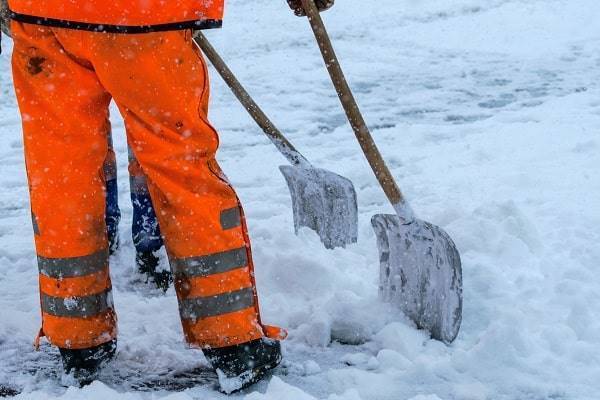
A Chilling Danger
As temperatures drop, construction workers face a natural workplace hazard: cold weather. Cold, wind, rain, and snow increase the body’s energy use and heat loss, making prolonged exposure dangerous. Understanding the risks and taking preventive measures is essential for staying safe on the job.
Health Risks of Cold Weather
Working in freezing conditions can lead to serious health problems:
Hypothermia: Occurs when body temperature drops below 95°F. Symptoms include shivering, fatigue, clumsiness, confusion, and in severe cases, loss of consciousness.
Frostbite: Damage to skin and underlying tissues. Watch for numbness, red, gray, or white patches, and hard or waxy skin.
Trench Foot: Results from prolonged wet feet. Symptoms include tingling, pain, swelling, and in serious cases, blisters or loss of tissue.
Workers with certain health conditions, poor physical fitness, or those taking specific medications may be at higher risk.
Three Steps to Stay Safe
Dress for the weather: Layer clothing to stay dry and warm, wear a hat or hood to cover ears, waterproof and insulated gloves and boots, and consider a knit mask if needed.
Drink the right liquids: Stay hydrated with warm, sweet drinks such as sports drinks, soups, or sugar water. Avoid alcohol and caffeine, which can increase heat loss.
Be proactive and alert: Know the signs of cold-related illness, take frequent breaks in a warm area, and work in pairs to watch for symptoms. Notify supervisors immediately if you or a coworker show signs of hypothermia or frostbite.
Prevent Slips, Trips, and Falls
Snow and ice increase the risk of slips and falls. Employers should keep walkways clear, apply de-icer, and encourage proper footwear. Walk slowly with shorter steps to maintain traction on icy surfaces.
Your safety is a priority. Dress appropriately, stay hydrated, watch for warning signs, and help keep your coworkers safe in cold weather conditions.
 timberproductsassociation.org